Understanding the Differences: Acoustic vs. Digital Pianos


Introduction to Acoustic and Digital Pianos
Whether you're a seasoned musician or a beginner, understanding the differences between acoustic and digital pianos is crucial in choosing the right instrument for your needs. Both types of pianos have their unique advantages and considerations, catering to different preferences and lifestyles.

Sound Quality
Acoustic Pianos
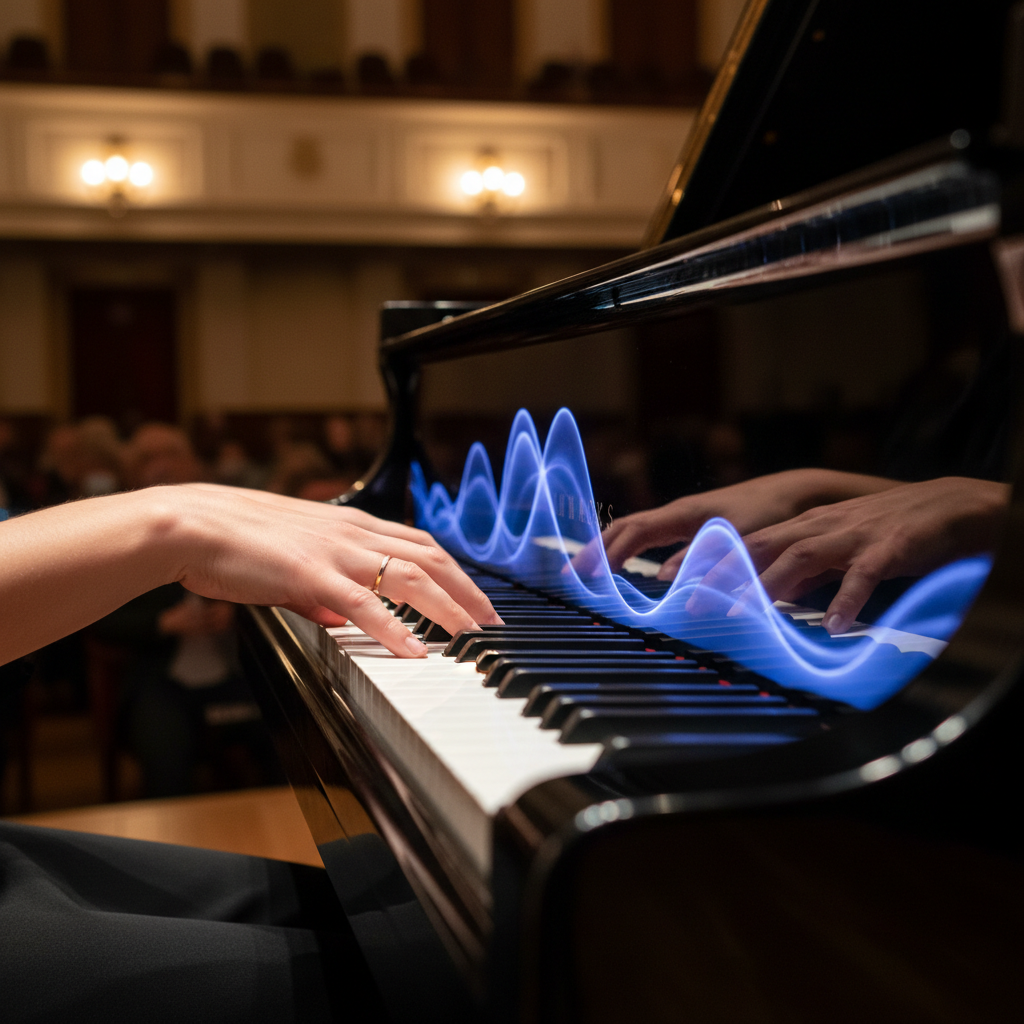
Acoustic pianos are renowned for their rich, resonant sound produced by hammers striking strings. This natural sound is highly valued by many musicians for its depth and authenticity. The variation in tone and the tactile feedback from the keys add to the expressive possibilities.
Digital Pianos
Digital pianos, on the other hand, use advanced technology to replicate the sound of an acoustic piano. They offer a range of sounds and are often equipped with features like volume control and headphone jacks. While some purists may argue that digital pianos lack the warmth of an acoustic, modern models have made significant strides in sound quality.
Maintenance and Portability
Acoustic Pianos
One of the considerations with acoustic pianos is their need for regular maintenance. They require tuning at least twice a year and are sensitive to humidity and temperature changes. Additionally, their size and weight make them difficult to move, requiring professional assistance.
Digital Pianos
Digital pianos are relatively low-maintenance. They do not require tuning and are less affected by environmental conditions. Their lightweight and compact design make them easy to transport, ideal for musicians on the go or those with limited space.
Cost Considerations
When it comes to cost, digital pianos are generally more affordable than their acoustic counterparts. This makes them an attractive option for beginners or those on a budget. Acoustic pianos, while more expensive, are often seen as a long-term investment due to their durability and timeless appeal.
Features and Functionality
Digital pianos come with a variety of features that enhance the playing experience. Many models include built-in metronomes, recording capabilities, and various sound effects. This versatility can be particularly appealing to those interested in experimenting with different musical styles or incorporating technology into their practice.

Conclusion
Ultimately, the choice between an acoustic and digital piano depends on your personal preferences, budget, and intended use. Each type offers unique benefits that cater to different needs. By understanding these differences, you can make an informed decision that aligns with your musical goals.