How to Prepare Your Piano for Humid Florida Summers


Understanding the Impact of Humidity on Your Piano
Florida's humid summers can be challenging for pianos. The high moisture levels in the air can affect the wooden components of your instrument, causing them to swell and potentially leading to tuning issues. Understanding how humidity impacts your piano is the first step in protecting it.
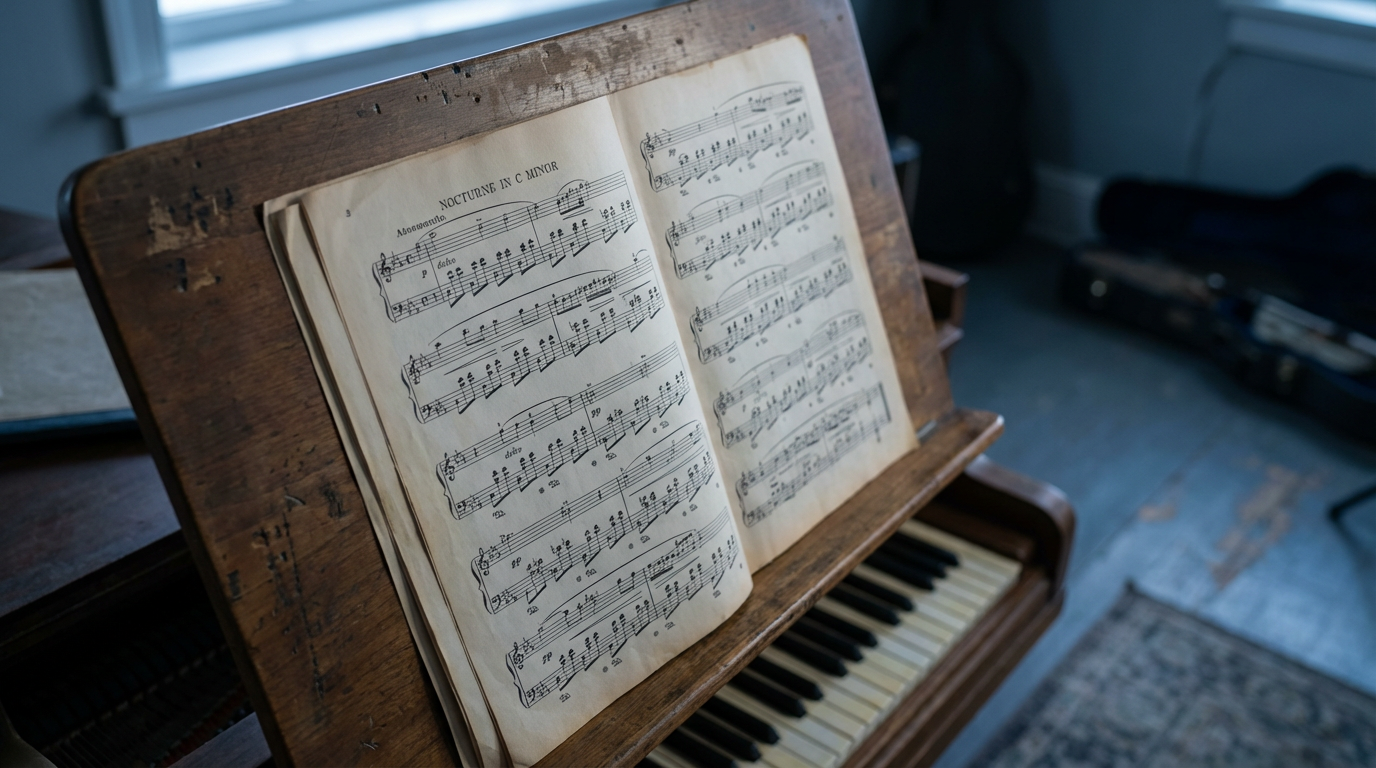
The Importance of a Stable Environment
Keeping your piano in a stable environment is crucial. The ideal humidity level for a piano is between 42% and 55%. When the humidity rises above this range, the wood can absorb moisture and expand, which impacts the soundboard and tuning stability.
Consider placing a hygrometer near your piano to monitor humidity levels. This simple device can help you keep track of the moisture content in the air and ensure your piano remains in a safe environment.
Investing in Climate Control Solutions
To combat the effects of high humidity, invest in climate control solutions. Air conditioners and dehumidifiers can help maintain consistent humidity levels. These devices remove excess moisture from the air, protecting your piano from potential damage.
Using a Piano Humidity Control System
Another effective solution is a piano humidity control system. These systems are specifically designed to regulate the humidity around your piano. They can be installed inside the piano and work by either adding or removing moisture as needed, keeping your instrument in optimal condition.
Regular Maintenance and Tuning
Regular maintenance is essential for keeping your piano in top shape during humid summers. Scheduling consistent tuning sessions with a professional piano technician will ensure that your instrument remains in tune despite the changes in humidity.
Cleaning and Care Tips
Besides tuning, regular cleaning is important. Wipe the keys with a soft, dry cloth to prevent any moisture buildup. Avoid using harsh chemicals or wet cloths, as they can damage the keys and other parts of the piano.
Placement and Positioning
The location of your piano plays a significant role in its preservation. Avoid placing your piano near windows, doors, or any area exposed to direct sunlight and drafts. These elements can exacerbate humidity fluctuations and cause damage over time.
Ideally, position your piano on an interior wall where it can enjoy a more stable environment, away from external weather influences.
Conclusion
Preparing your piano for Florida's humid summers involves understanding the impact of humidity, investing in climate control solutions, and maintaining a consistent care routine. By taking these steps, you can ensure your piano remains in excellent condition, offering beautiful music for years to come.