DIY Piano Care: Tips for Maintaining Your Instrument Between Tunings


Understanding the Basics of Piano Care
Owning a piano is a rewarding experience, but it requires regular care to maintain its sound and longevity. While professional tunings are essential, there's plenty you can do between these sessions to keep your instrument in peak condition. From dusting to temperature control, these DIY tips will help you protect your piano investment.
Regular Cleaning
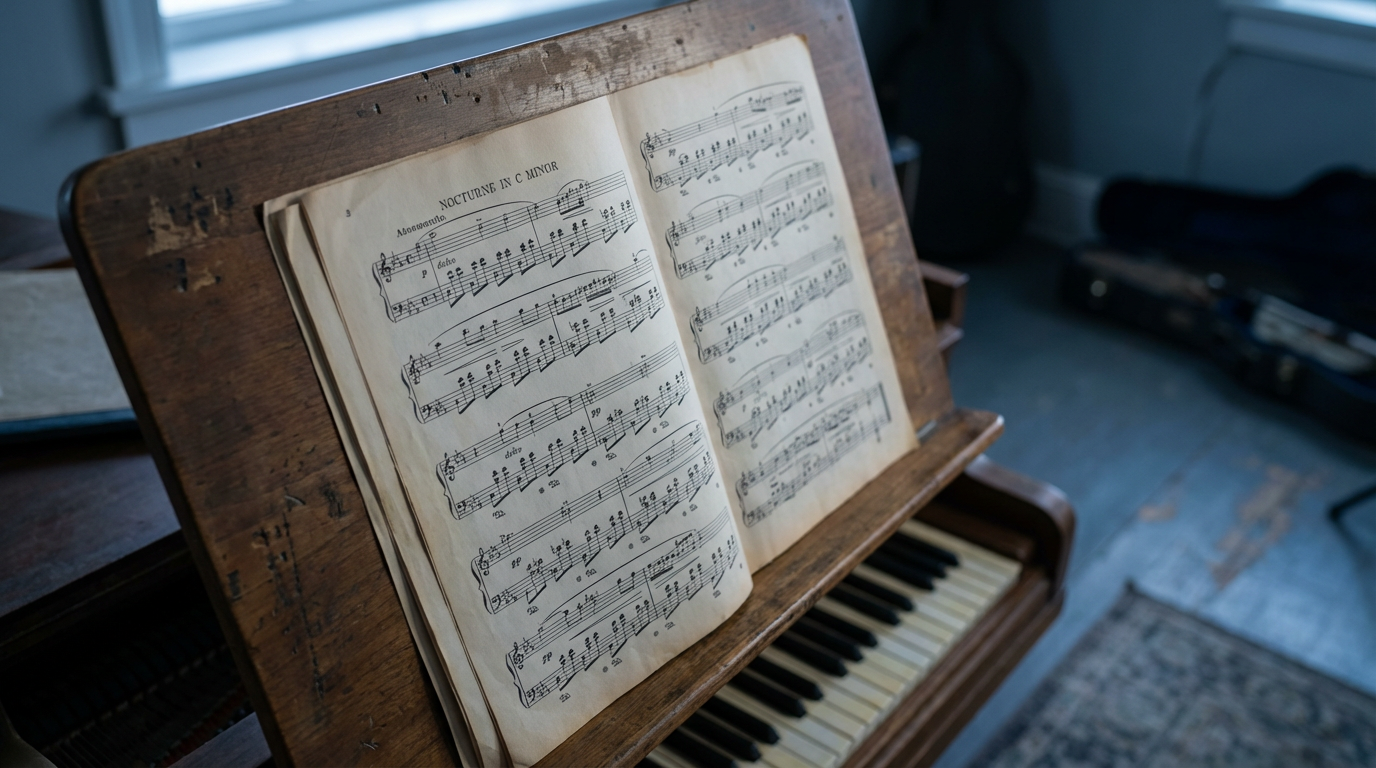
Dust is one of the biggest enemies of a piano. Regularly dusting the keys and surfaces with a soft, dry cloth can prevent build-up. Avoid using chemical cleaners, as they can damage the finish and the keys. For a deeper clean, a slightly dampened cloth can be used, but ensure it is well-wrung to avoid water damage.
Key Maintenance
The keys are the most frequently touched part of the piano and can accumulate oils and dirt. To clean them, gently wipe with a damp cloth, moving from back to front. Use separate cloths for white and black keys to prevent smudging. Regular cleaning not only keeps your piano looking good but also preserves the keys' responsiveness.
Controlling the Environment
The environment in which your piano resides plays a crucial role in its maintenance. Pianos are sensitive to humidity and temperature changes. Ideally, the room should have a consistent temperature and humidity level. Consider using a humidifier or dehumidifier to maintain an optimal environment.
Placement Matters
Where you place your piano can significantly affect its condition. Avoid placing it near windows, doors, or vents where it may be exposed to direct sunlight or drafts. These can cause the wood to warp and negatively impact the tuning. A stable environment will help maintain the structural integrity of your instrument.
Protecting the Finish
The piano's finish is not just for aesthetics; it also protects the wood. To maintain it, avoid placing drinks or plants on top of the piano. Spills can seep into the wood, causing damage. Use coasters and avoid harsh cleaning agents to prevent scratches and discoloration.
Regular Inspections
Take the time to inspect your piano regularly. Look for signs of wear, loose screws, or anything unusual. Early detection of issues allows for timely repairs, preventing more severe damage. If you notice anything concerning, consult a professional technician.
Conclusion
By incorporating these DIY care tips, you can extend the life of your piano and ensure it sounds its best between professional tunings. Regular cleaning, environmental control, and careful handling are key to maintaining your instrument. With a little effort and attention to detail, your piano will continue to bring joy and music to your home for years to come.